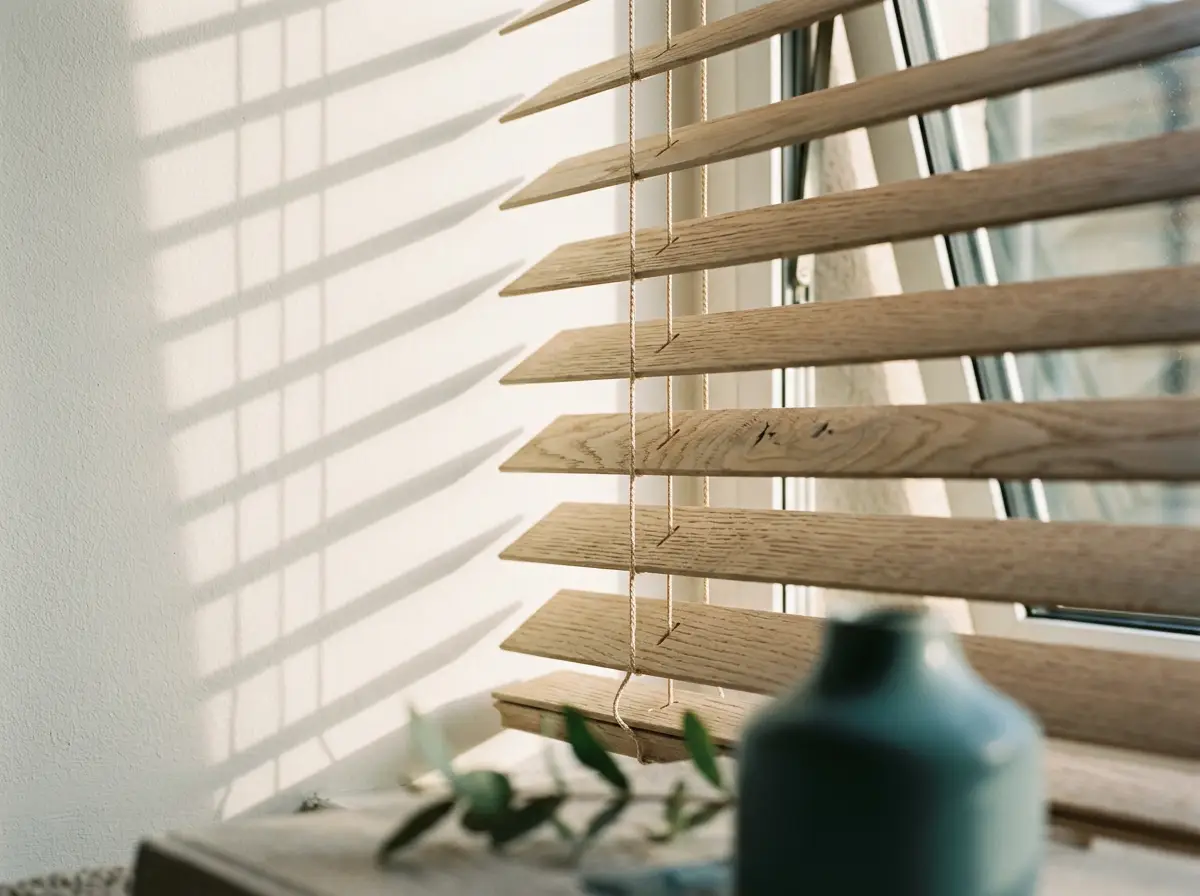
Tucked between Sandhurst and Morningside, Illovo mixes secure clusters with luxury apartment blocks — a smaller-footprint version of the same big-window brief.
Illovo sits in the pocket between two of Sandton's most established suburbs, and the housing stock reflects that: well-built clusters on tree-lined streets, and a growing number of luxury apartment developments aimed at buyers who want Sandhurst-adjacent living without the maintenance of a full stand. Windows here tend to be generous but more contained than the sprawling glass walls of the bigger estates — full-height, but on a domestic rather than mansion scale.
It's a suburb where finish matters as much as function — hardware and fabric choices that sit quietly against a considered interior, rather than shouting for attention.
Illovo shares the same sky as the rest of this pocket of Sandton, and the numbers behind it are set out in full in the field guide. The short version is a sun that stands almost overhead at midday in December and drops to a low, slanting angle by June, with an altitude of roughly 1,570 metres sharpening the ultraviolet on the way through. What that means for a flat, apartment-scale window is simple enough: an eave or a balcony slab above the glass will do useful work at midday in summer and almost none at all from three o'clock onwards, when the sun comes in nearly horizontally from the western half of the sky.
The canopy complicates it. Illovo's older stands carry mature trees, and a window that reads as comfortably shaded in February is not necessarily the same window in June once the branches have thinned. Shade you do not control is not a specification — it is a season. That is the argument for choosing fabric against the elevation a room actually sits on rather than against how the window looks on the day someone stands in it.
In a cluster, the brief usually runs room by room: blockout in the bedrooms so an early summer sunrise does not decide when the house wakes up, sunscreen across the living areas so the garden stays visible through the worst of the afternoon, and something adjustable on any north-facing glass that earns its winter sun back. In an apartment, the brief is usually the balcony door and the wall of glass either side of it — one long run that a chain struggles with and a linked motorised pair handles easily.
Two practical things come up in almost every Illovo apartment. The first is access: a consultant will confirm the arrangement with your building or complex before the measure, rather than arriving and negotiating at the gate. The second is the street side. Where a block cares how the outside face of a window reads, the backing colour of every blind can be kept uniform across the flat so the elevation stays consistent — worth raising at the enquiry rather than after manufacture.
An interior blind intercepts the sun after it has already come through the glass, so on a hard west-facing pane it fixes the glare immediately and only part of the heat. If a west room is genuinely uncomfortable at four in the afternoon, the honest answer is to stop the sun outside the pane, which is what a roller shutter does, and to accept that a fabric blind alone will improve the room rather than transform it. Whether a shutter is workable on your building is a question about the wall and the elevation, not about the product, and it is settled on site.
Awnings deserve the same candour. Between October and April the afternoons here bring thundershowers, and hail is a Highveld habit from November through February. A folding-arm awning is a shade product that has to fold away quickly when the weather turns, which is why a wind sensor is worth having on a balcony rather than treated as an extra. On a ground-floor courtyard with walls either side the calculation is gentler; several floors up it is not.
Free in-home measure, a written quote, and finishing choices matched to your interior.